
Authentic Moist German Marble Cake | Saftiger Marmorkuchen
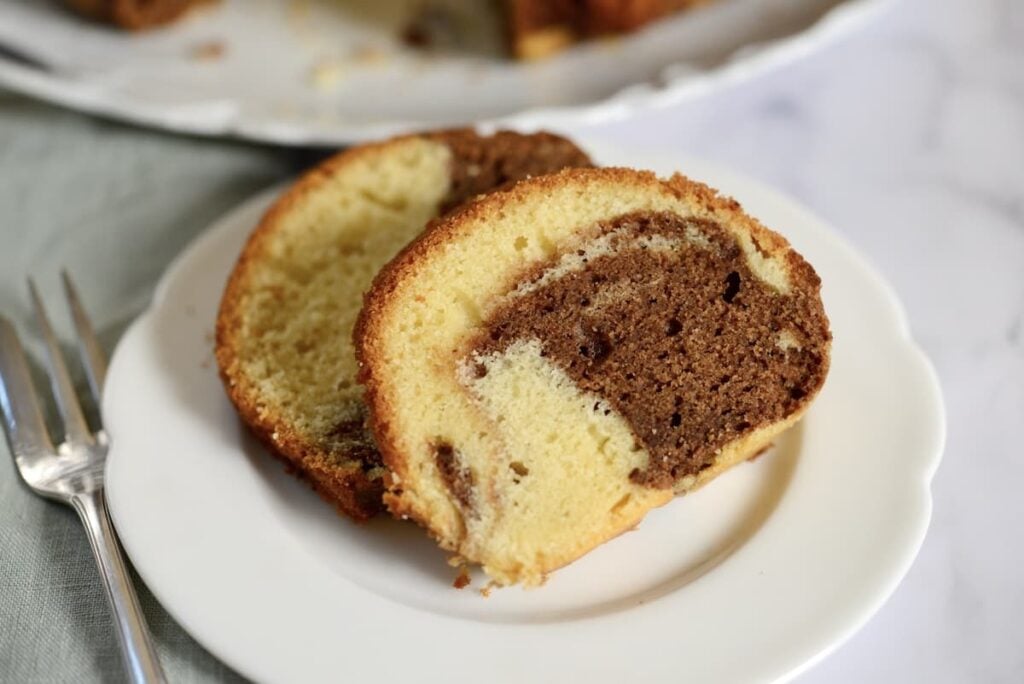
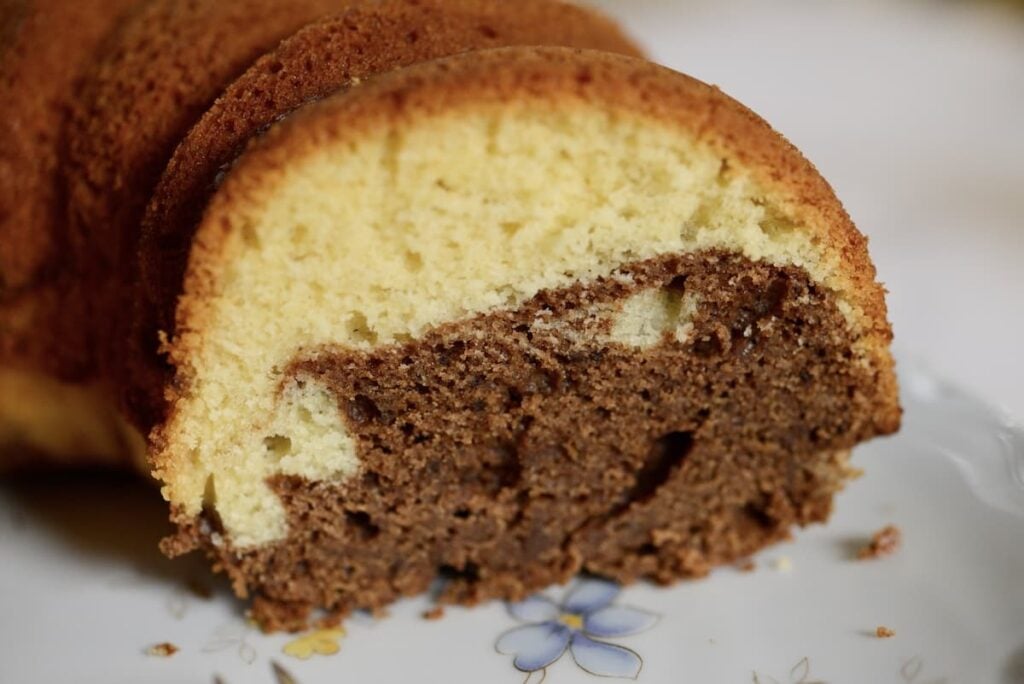
If there is one smell and taste that instantly transports me back to my childhood in Germany, it’s a freshly baked Marmorkuchen.
I have been baking this cake a lot lately, and every time, I just love the scent of warm vanilla and rich cocoa wafting from the oven.
Unfortunately, marble cake has a bit of a bad reputation for being dry. If you’ve ever been let down by a crumbly, dense slice, this recipe is for you. I’m going to show you the traditional German techniques that guarantee a moist, velvety cake that will be the star of your Kaffee und Kuchen.
This post contains affiliate links, which means I make a small commission when you buy something, but at no extra cost to you. You can read my full disclosure for more details.
Why Makes This Recipe “Traditionally German”
👉 Tips For Success
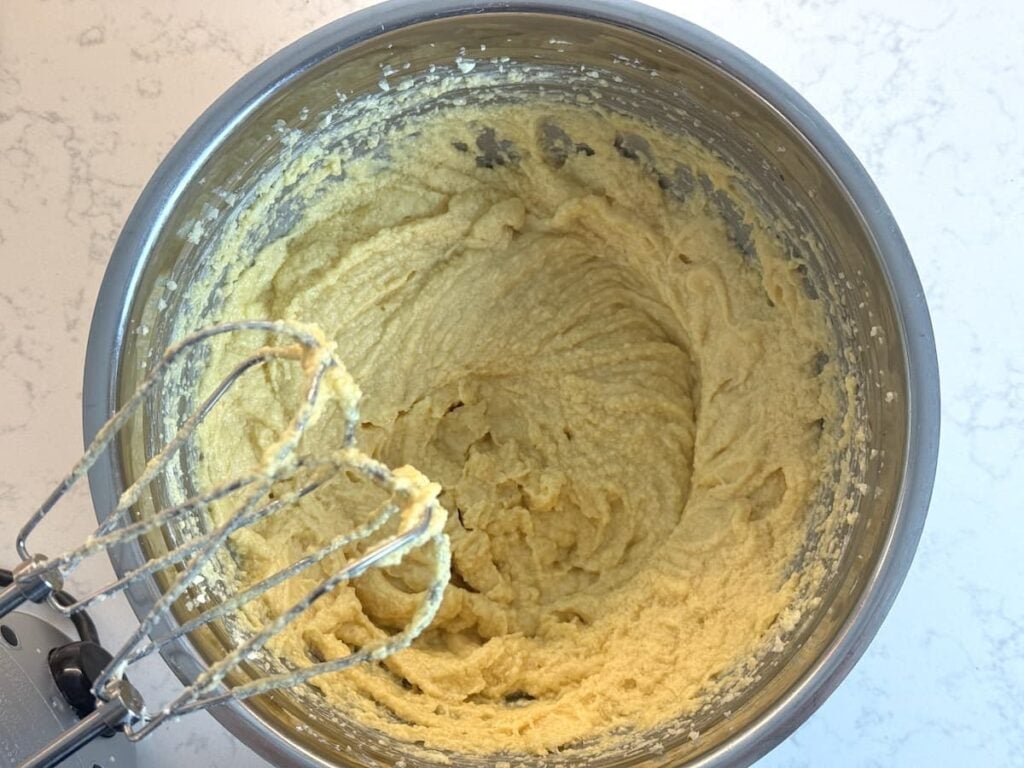
- By whipping the butter alone first, you create tiny air pockets. Adding the sugar first and then the eggs slowly (about 20-30 seconds of mixing per egg) creates a perfect emulsion. If your batter looks “curdled” or like scrambled eggs, your eggs were likely too cold!
- I actually prefer a hand mixer for this! It gives me more control over the aeration of the butter, which is heavier than a typical sponge cake dough. However, you can absolutely use a stand mixer (just be sure to scrape down the sides every so often).
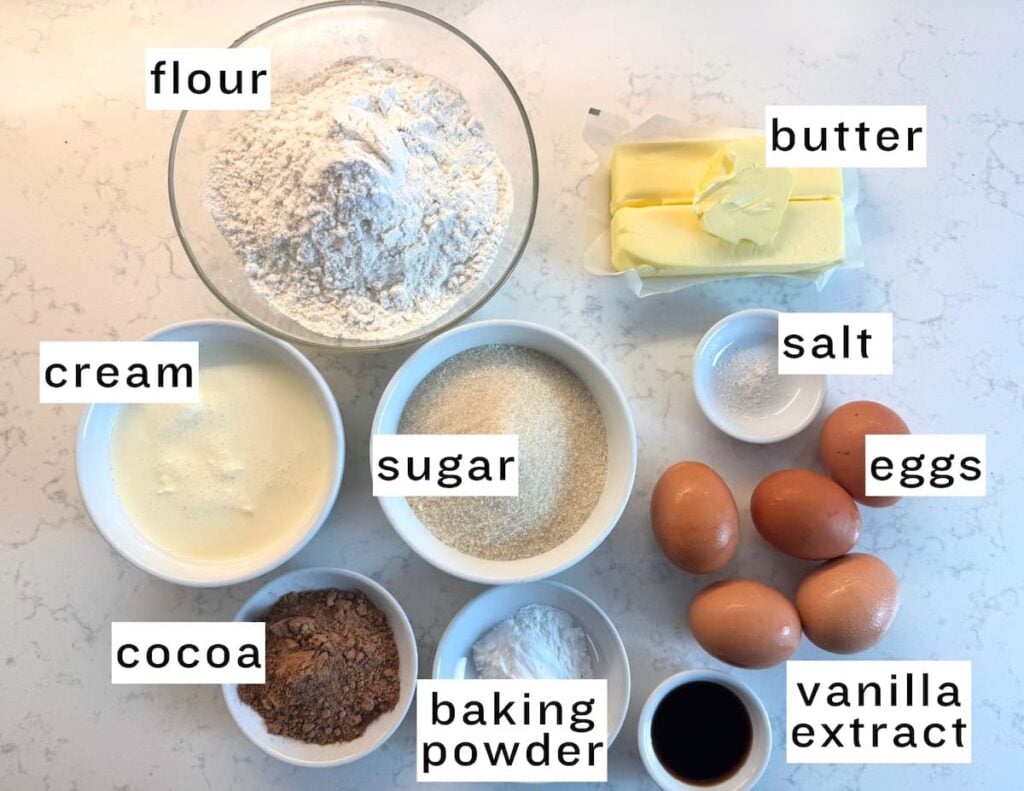
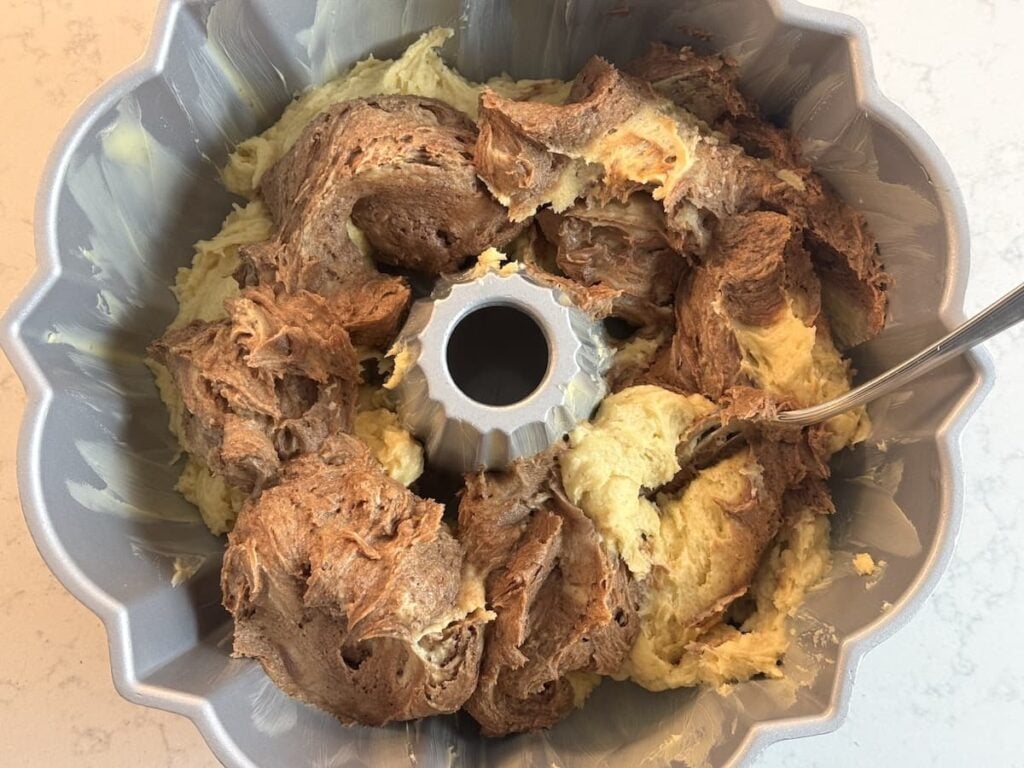
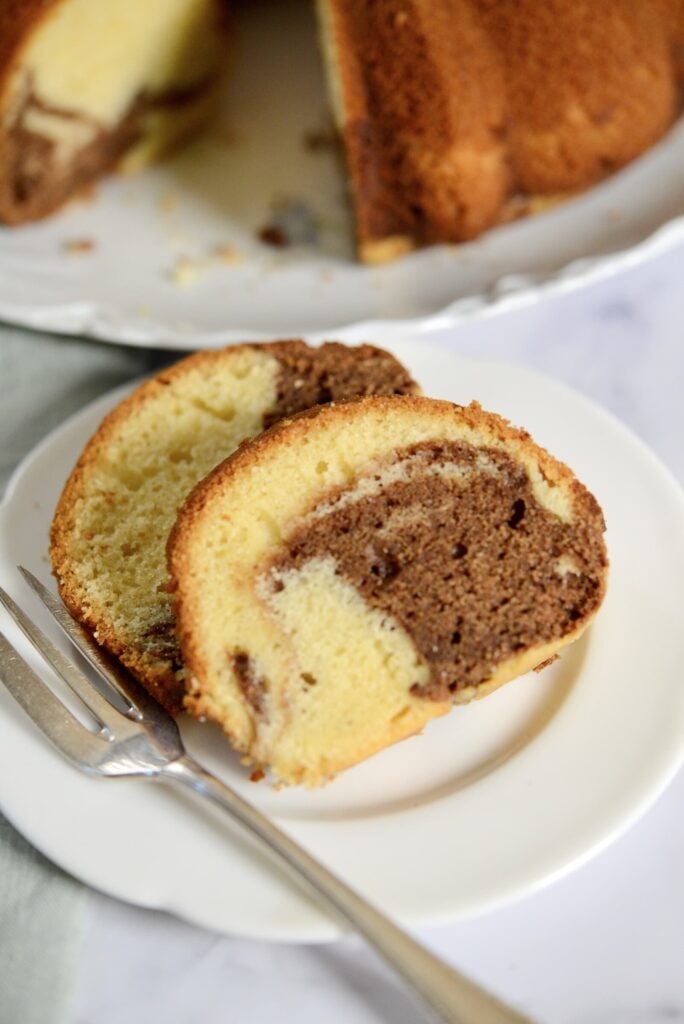
- To get that classic “Marmor” look, I use a technique I’ve used for decades: take a fork, dip it into the batter, and twirl it in a spiral motion as you move around the pan. Don’t over-mix, or you’ll just end up with a light-brown cake instead of distinct swirls!
- Should your butter-egg mixture curdle, just add a tablespoon of your measured flour to the mix to help the batter come back together.
The Ingredients
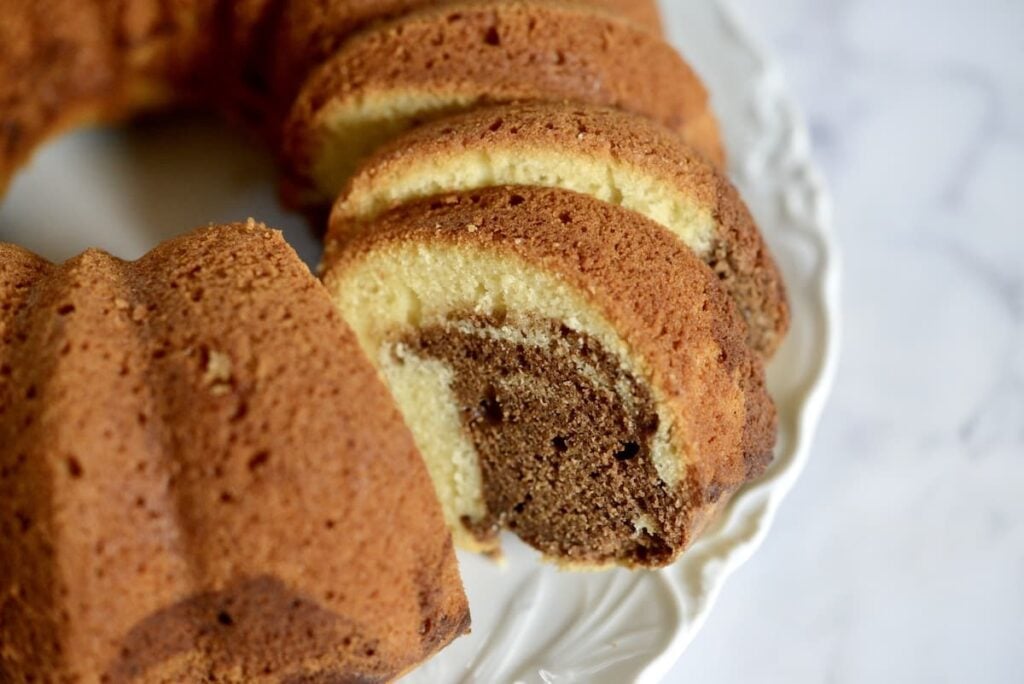
- Butter: Using a high-quality European-style butter makes a difference here.
- Sugar: I use regular granulated sugar.
- Eggs: They add the protein and fat that hold the marble structure together.
- Flour & Baking Powder: The foundation of the fluffy crumb.
- Heavy Cream: My secret for keeping the cake moist (we use this in both the vanilla and chocolate batters).
- Cocoa Powder: Use a good unsweetened version for that deep “Marmor” contrast.
- Vanilla & Salt: The flavor enhancers that make the chocolate and butter sing. TIP: To make this cake even more authentic, I recommend making your own Vanilla Sugar and using that instead of vanilla extract.
How to make German Marmorkuchen
This is a summary of the steps involved. For the complete instructions, please scroll down to the recipe card at the bottom of the post.
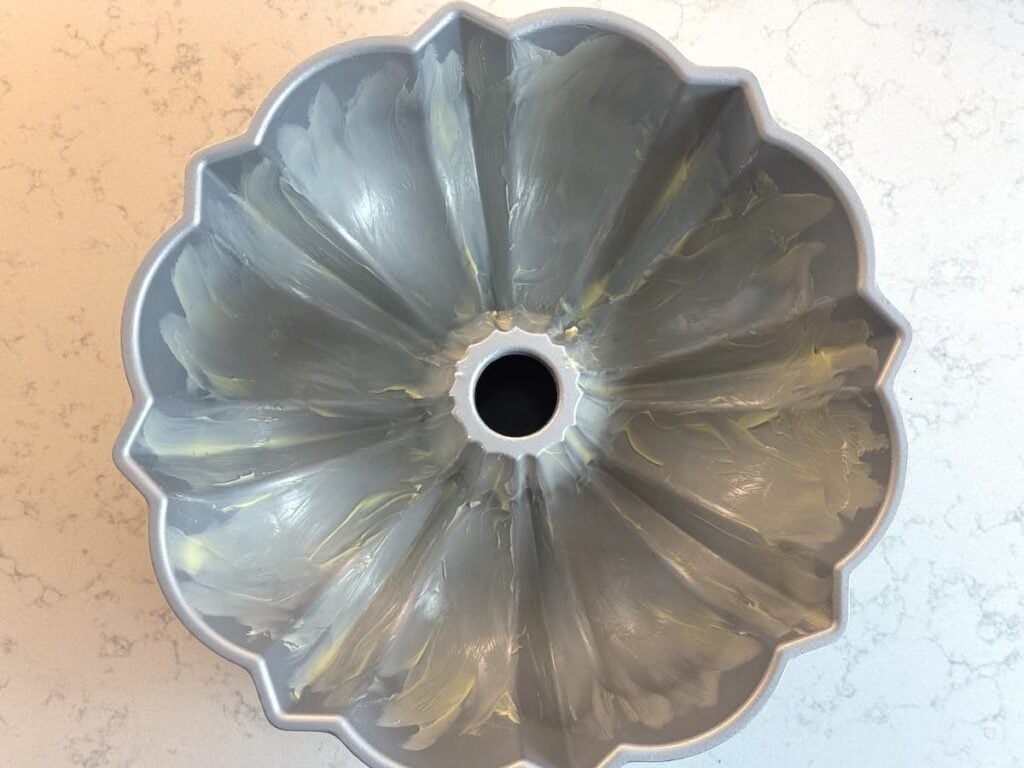
1. Prepare the baking dish
Generously grease the Bundt pan with butter to ensure a clean release.
2. Cream the base
Whip the butter first, then slowly incorporate the sugar and eggs to build a stable, airy emulsion.
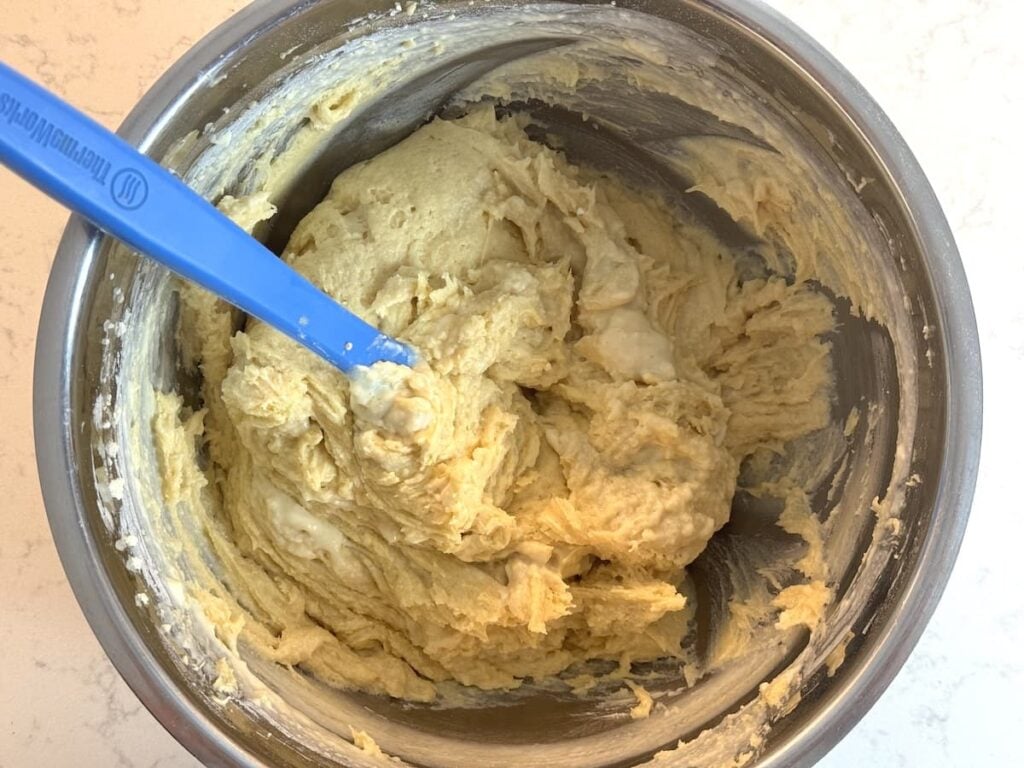
3. Mix the Dry Ingredients
Fold in the flour, baking powder, and salt, then part of the cream to keep the batter smooth.
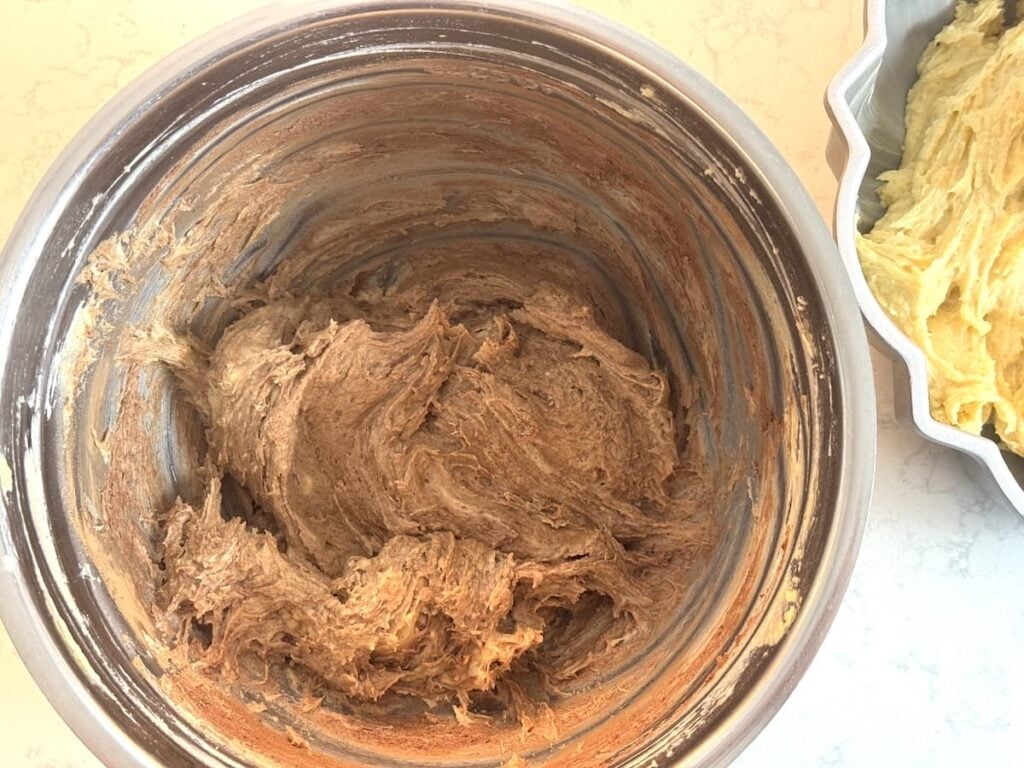
4. Divide and Add the Cocoa
Transfer half the batter to the pan, adding cocoa powder and the remaining cream to the remaining batter.
5. The Layer & Swirl
Layer the chocolate over the vanilla and use a fork to create those iconic marble patterns.
6. Baking
Bake until a skewer comes out clean, then let it cool slightly before removing it from the cake pan!
Common Questions (FAQ)
Because of the high butter content and the heavy cream, this cake stays incredibly moist! Store it in an airtight container or under a cake dome at room temperature, and it will keep for 3 to 4 days. The flavor gets even better on the second day.
The most common culprit is overbaking or using volume measurements (cups) instead of weighing your flour in grams, which often leads to using too much flour. If your eggs and butter weren’t at room temperature, the batter can separate, leading to a denser, drier crumb. Always pull your ingredients out a few hours early!
Yes, absolutely! While a Bundt pan (Gugelhupf) is the most traditional choice, a standard loaf pan works perfectly. Just keep in mind that a loaf pan is deeper, so you will likely need to increase the baking time by 10 to 15 minutes. Always test the center with a wooden toothpick.
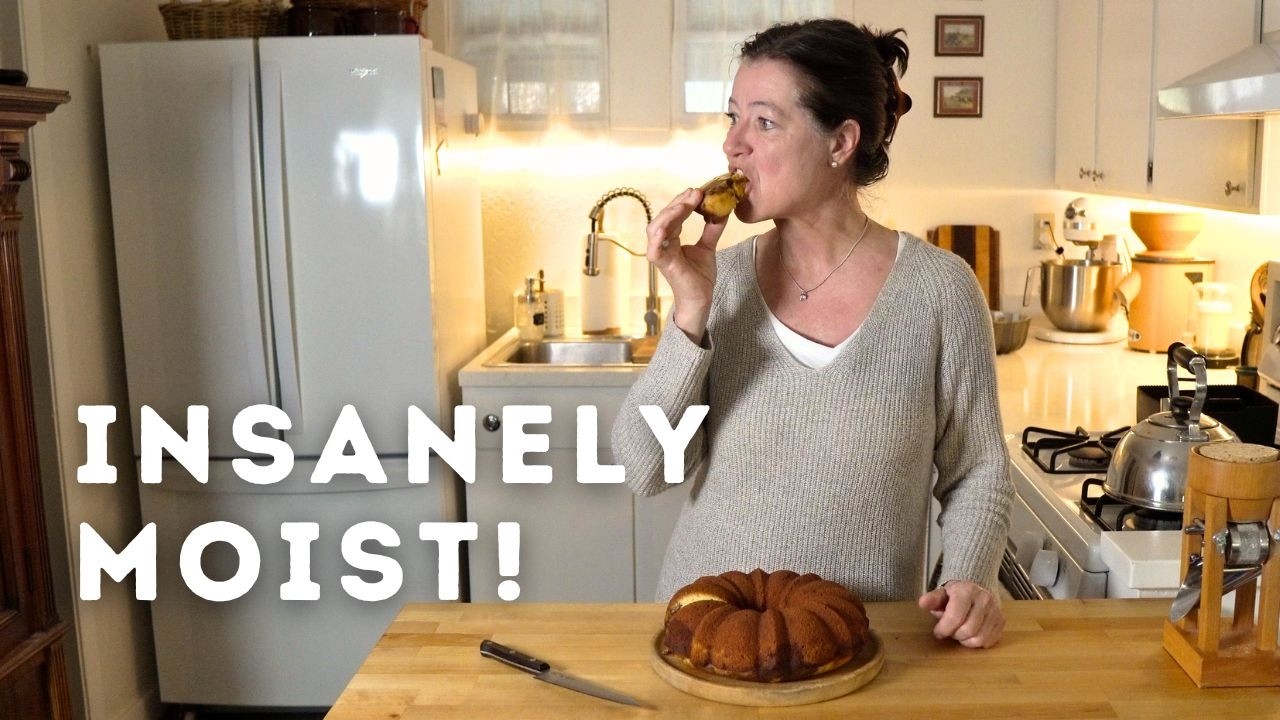
Watch my Video
You might also like to try my German Egg Liqueur Cake (Eierlikörkuchen).
⭐️ If you try this recipe, I’d love to see your swirls!
Tag me on social media or leave a comment below. And if you want more authentic German recipes that actually work, make sure to subscribe to my newsletter or scan the QR code in the video!
Traditional German Marble Cake | Saftiger Marmorkuchen
Ingredients
- 250 g butter at room temperature
- 200 g sugar
- 1 tsp vanilla extract
- 5 eggs at room temperature
- 340 g AP flour
- 3 tsp baking powder
- ¼ tsp salt
- 200 ml heavy cream
- 3 TBSP cocoa powder
- extra butter for greasing the baking dish
Instructions
- Preheat oven to 340˚F (170˚C). Grease a bundt cake pan or loaf pan with butter. Set aside.
- In a large mixing bowl and with a hand mixer, mix the butter until fluffy and white.
- Add the sugar and vanilla to the butter and mix on high for 1 minute.
- Add the eggs one egg at a time, each mixing 20-30 seconds until well incorporated.
- Add the flour, baking powder, and salt and mix until just incorporated.
- Add about 120 ml of the cream to the batter and mix unti just incorporated.
- Transfer half of the batter to the prepared baking dish.
- Add the cocoa powder and remaining cream to the remaining batter and mix until just incorporated.
- Add the cocoa batter on top of the vanilla batter. Using a fork, gently draw a continuous spiral or 'S' shape around the pan to create the swirl pattern.
- Bake for 40 minutes. Insert a wooden toothpick. If it comes out clean, remove the cake from the oven. If batter is sticking to the toothpick, continue baking. Test every 5 minutes until the toothpick comes out clean.
- Insert the cake on a wire rack. After 5 minutes, gently tap the baking dish to remove the cake. Let it cool on the wire rack completely.
Notes
- for best results, make sure the butter and eggs are at room temperature
- whipping in the eggs one at a time creates that distinct texture
- make sure to remove the cake from the oven as soon as it is done, to ensure the cake stays moist and doesn’t become dry
Nutrition
simple and easy to make. just like with mum in the 1960s.
That makes me very happy to hear, thank you!
can i use half and half cream? or just heavy cream
That should work!
Sadly, this was an epic failure! I don’t have a bundt pan, and tried the loaf pan as suggested.
Was very raw in the center after 40 minutes of baking, tried to bake it additionally as suggested, and still, after an hour, the top was overdone, and the center was still not done, ugh : (
If you have a bundt pan, it may be worth trying….
There is a lot that could have happened: the size of your loaf pan and variations in oven temperatures. If in doubt it’s best to check the internal temperature with a thermometer ~ Anja
Made this with my toddler after watching the YouTube video. So easy and delicious — will make again!
Sounds amazing and so happy to hear you’re involving your toddler in the baking ~ Anja
Super clear traditional recipe. Thank you very much.
That makes me so happy to hear ~ Anja