
How To Create An Authentic German Supper | Abendbrot
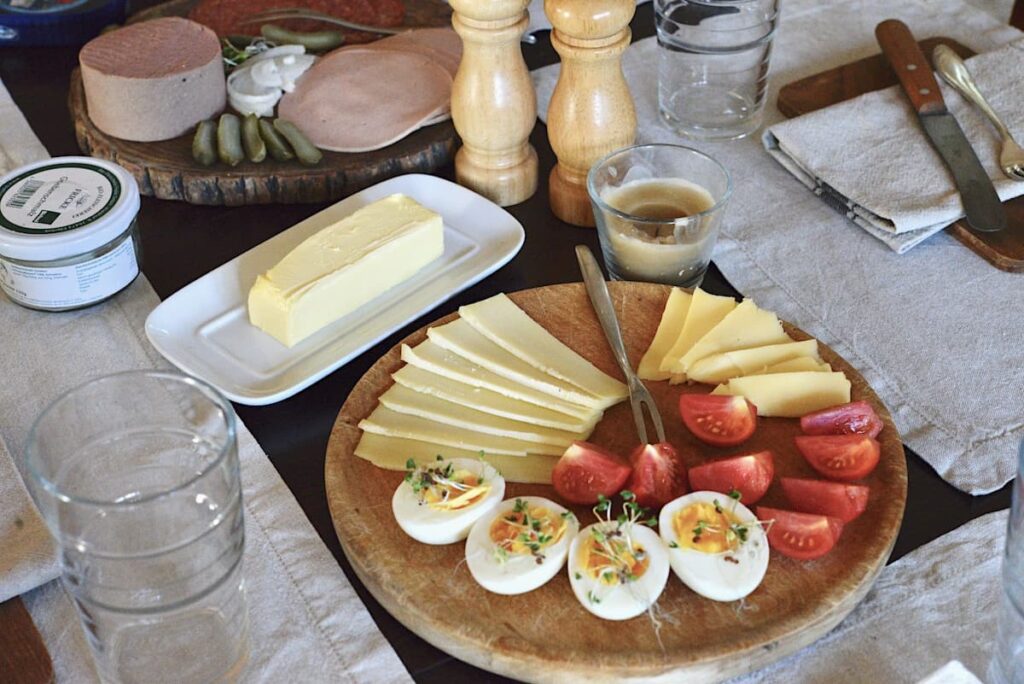
Even after living in the U.S. for many years, I love holding on to my German roots through food and traditions. One of my favorites is the cozy and simple evening meal called Abendbrot (literally “evening bread”). Almost half of all Germans still enjoy this kind of supper today – and for me, it brings back so many wonderful family memories.
In this guide, I’ll walk you through the cultural background, how to set the table, and the essential foods you’ll want to include. With just a little preparation, you can recreate this authentic German supper in your own home.
This post contains affiliate links, which means I make a small commission when you buy something, but at no extra cost to you. You can read my full disclosure for more details.
About Abendbrot
- Unlike in many countries where dinner is the main hot meal of the day, Germans traditionally eat their hot meal at lunchtime. That’s because in the early 20th century, many people worked in factories where they were served a hot lunch in the cafeteria. By the time they got home in the evening, they preferred something lighter, quicker, and easier to prepare. Thus, Abendbrot was born: a cold meal centered around bread, spreads, cheese, and cold cuts.
- Even today, Abendbrot is about simplicity and togetherness. It’s less about cooking and more about gathering around the table with family or friends.
Setting the Abendbrot Table
Just like with a traditional German breakfast, the setup is part of the charm:
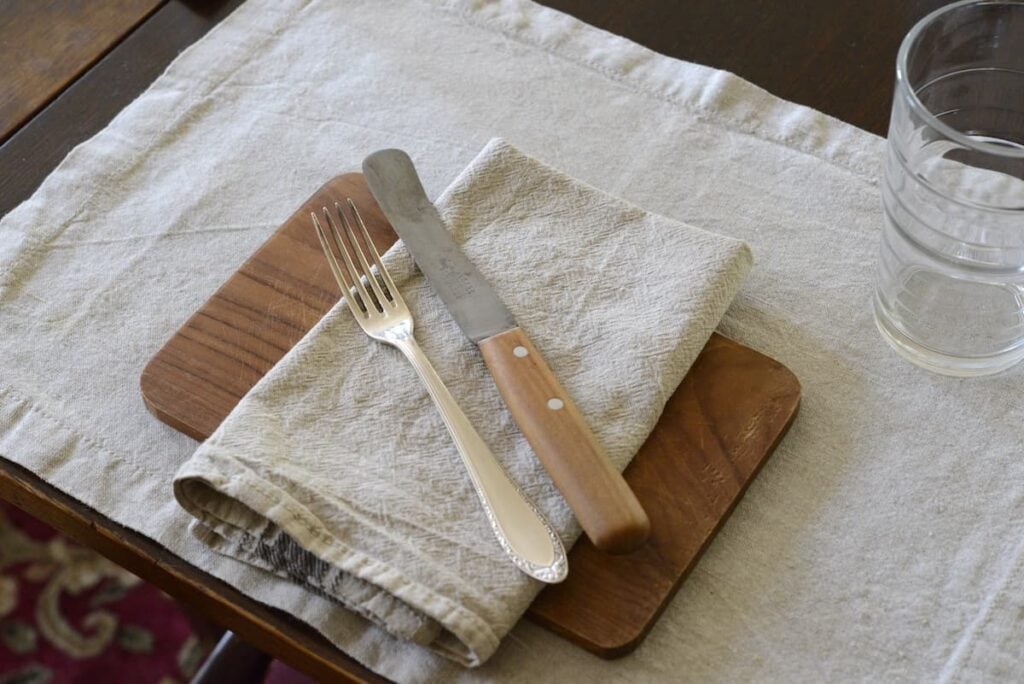
- Placemats (Sets): Most Germans use simple placemats rather than a full tablecloth for supper.
- Wooden Boards: Instead of porcelain plates, it’s common to use wooden bread boards. They make it easy to spread butter, cheese, or cold cuts on bread. Many families have round ones with a rim, though my family’s are rectangular heirlooms that I treasure.
- Bread Knives: These special knives with a rounded tip are perfect for spreading. If you don’t have one, any small butter knife works.
- Napkins and Cutlery: Germans often use fork and knife even for open-faced sandwiches — and good table manners include keeping both hands visible on the table (but no elbows!).
Lighting a candle or using heirloom pieces, like a butter dish or wooden board, can make the meal feel extra special – especially when you’re serving guests.
The Essential Elements of Abendbrot
The heart of Abendbrot is variety. You’ll pull many small items out of your cupboards and fridge, creating a spread that covers the table. Here are the traditional categories:
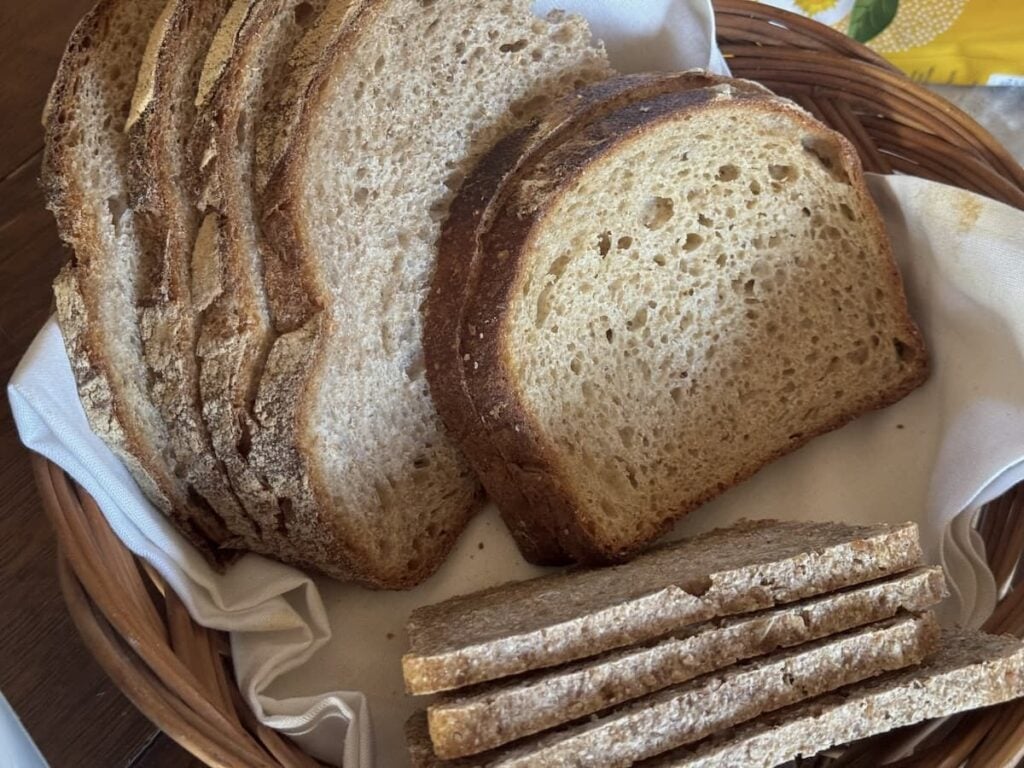
Bread (The Star of the Meal)
Germans love their bread – in fact, there are said to be more than 86 types! For Abendbrot, a mix is ideal:
- Whole-grain sourdough bread
- pumpernickel bread
- Lighter rye, wheat bread, or country bread
- Crusty rolls or pretzels
A bread basket lined with a cloth napkin keeps everything warm and inviting.
Butter
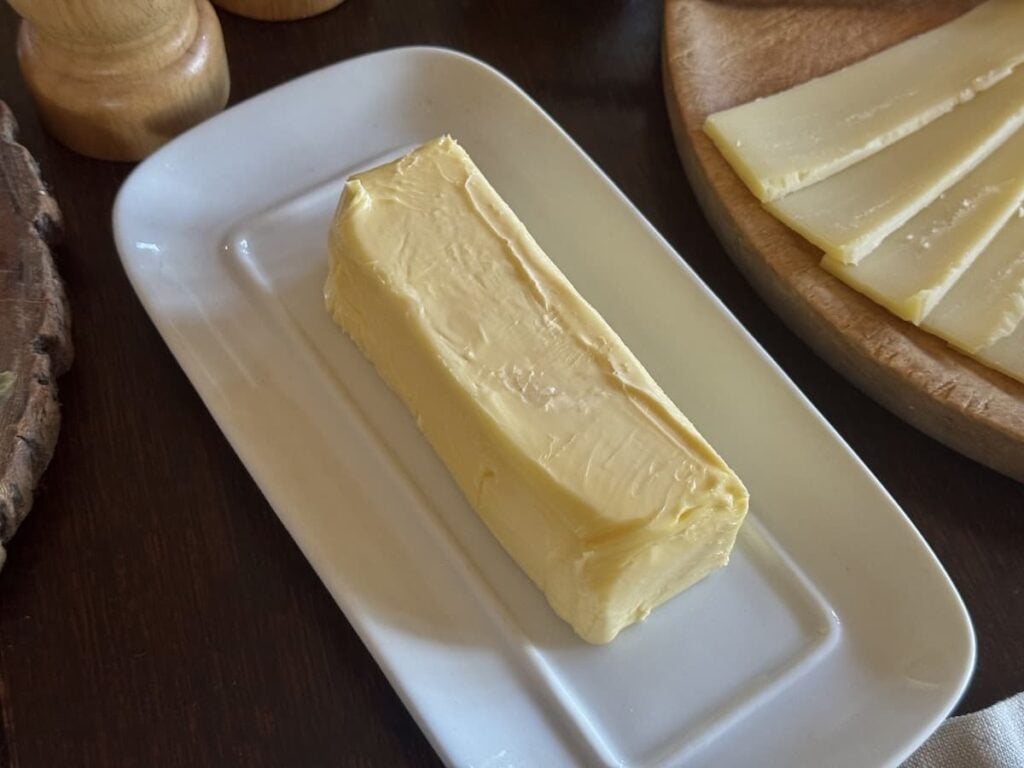
A must-have for spreading on bread before adding cheese or meats. A creamy European-style butter or homemade cultured butter works beautifully. Germans love serving their butter on specific butter dishes.
Cold Cuts
A variety of sliced meats is traditional:
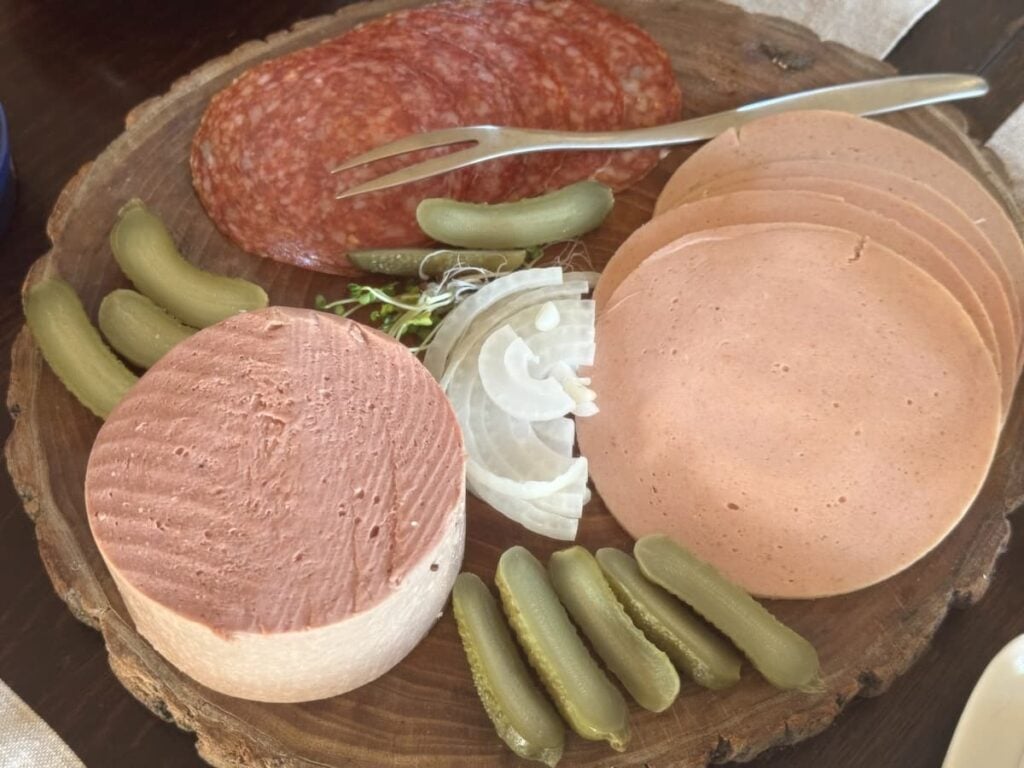
- Liverwurst (Leberwurst)
- Salami
- Mortadella
- Ham (like Black Forest ham)
You can arrange them neatly on a wooden board or platter, often with sliced pickles. You can even serve a bowl of hearty Wurstsalat with or instead of your cold cuts.
Eggs
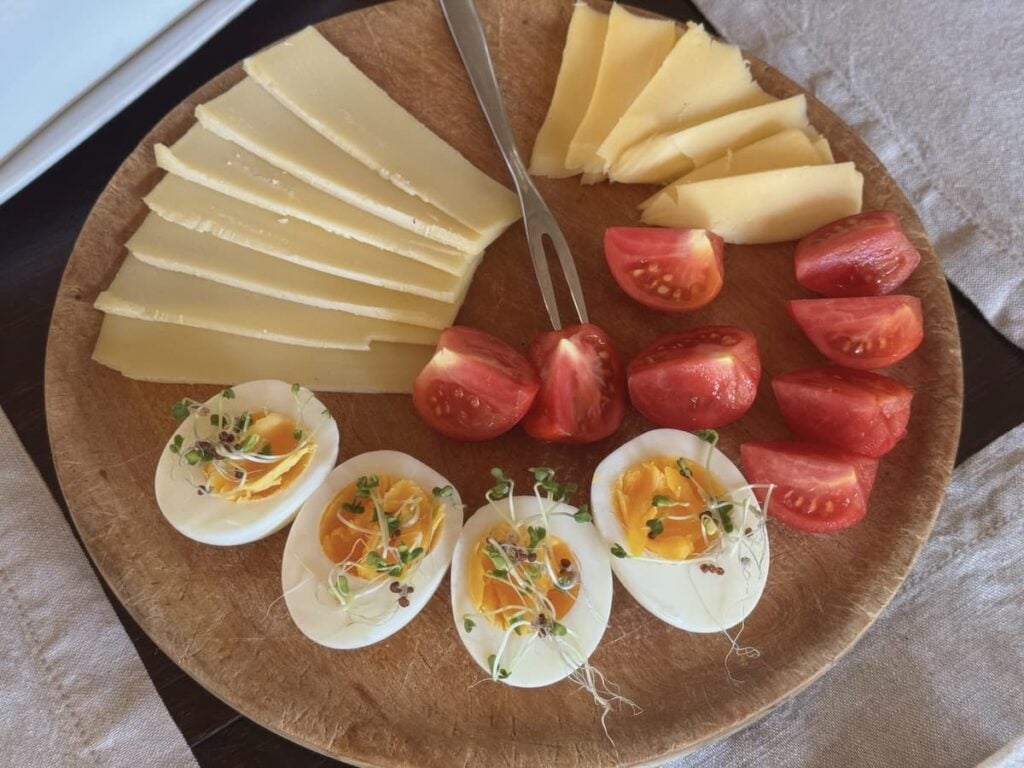
Hard-boiled eggs are a common addition. They are easy to prepare and serve. Many Germans slice them and layer them onto buttered bread with a sprinkle of salt or on top of their cheese.
Spreads
Germans love spreads of all kinds:
- Cheese spreads (herbed, spiced, or plain)
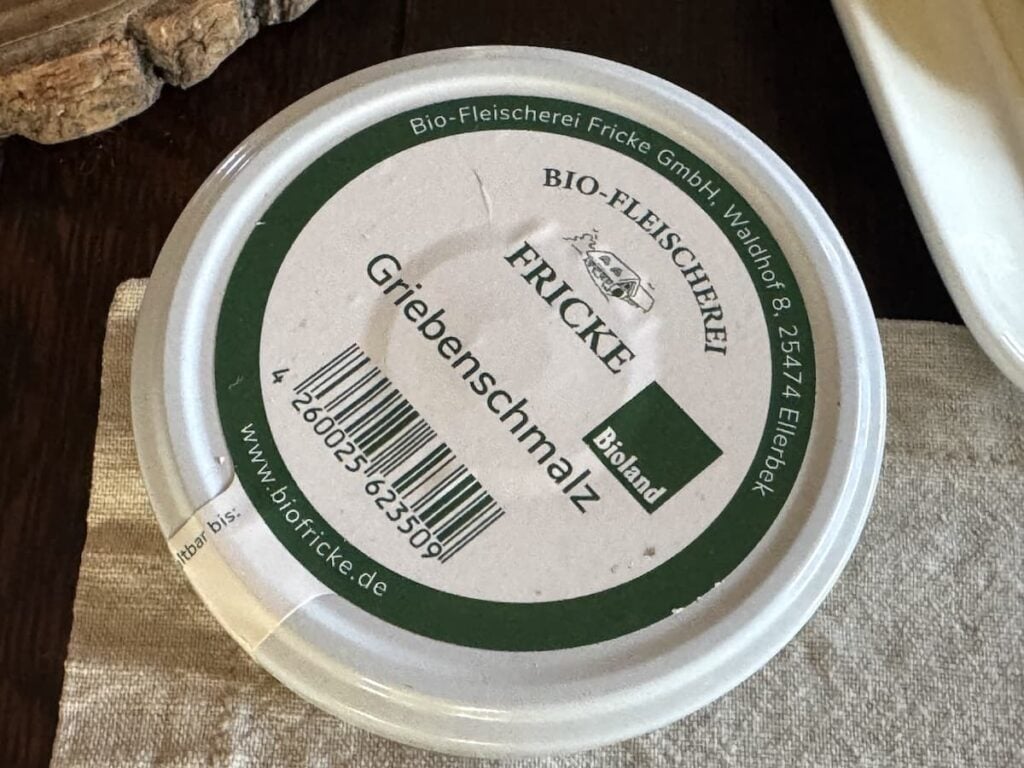
- Schmaltz (rendered pork fat, spread on bread with salt and onion)
- Mustard, mayonnaise, or tomato paste (often sold in tubes for fun and convenience)

Fish (Optional but Traditional)
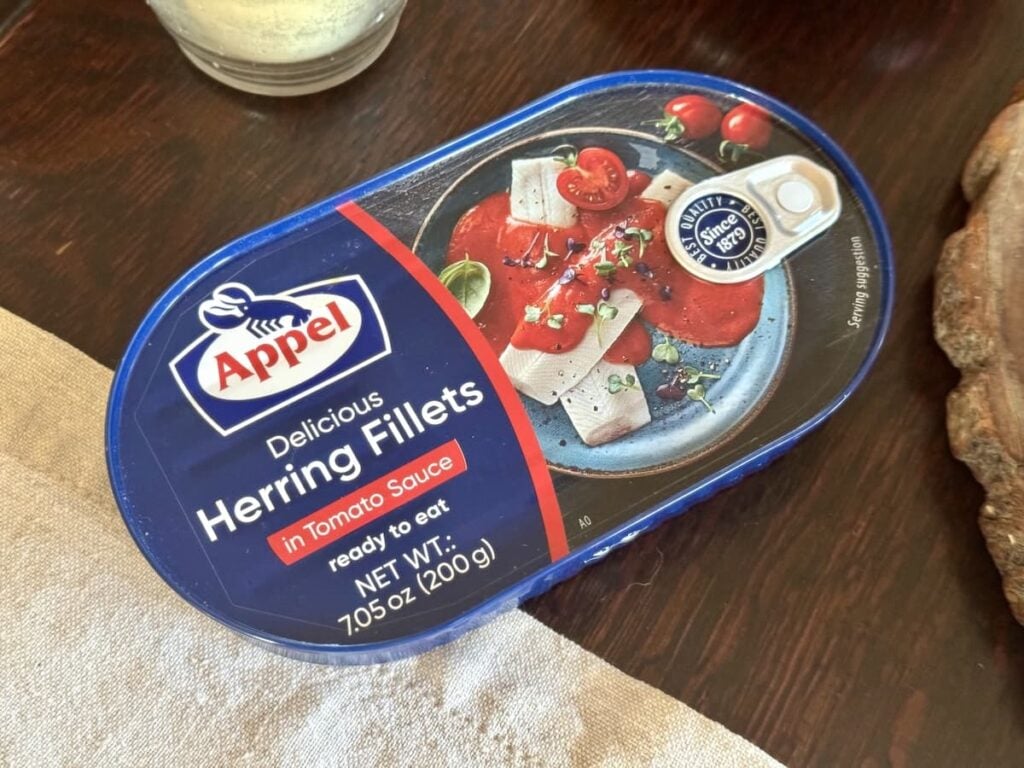
Especially in northern Germany, you might find canned or smoked fish:
- Smoked salmon
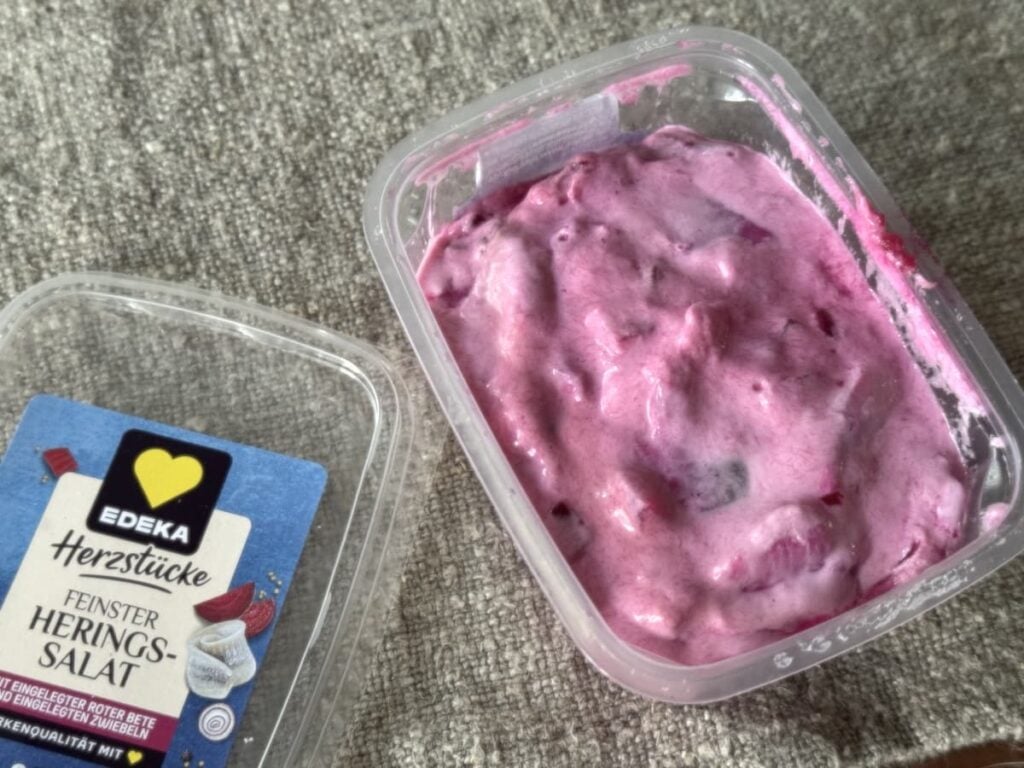
- Pickled herring (Rollmops)
- Canned fish in various sauces
Garnishes
Especially, if you want everything to look pretty, you can use colorful garnishes such as tomato wedges, cucumber slices, sprigs of parsley or cress, or even lettuce leaves underneath everything.
Drinks
Classic choices for Abendbrot include:
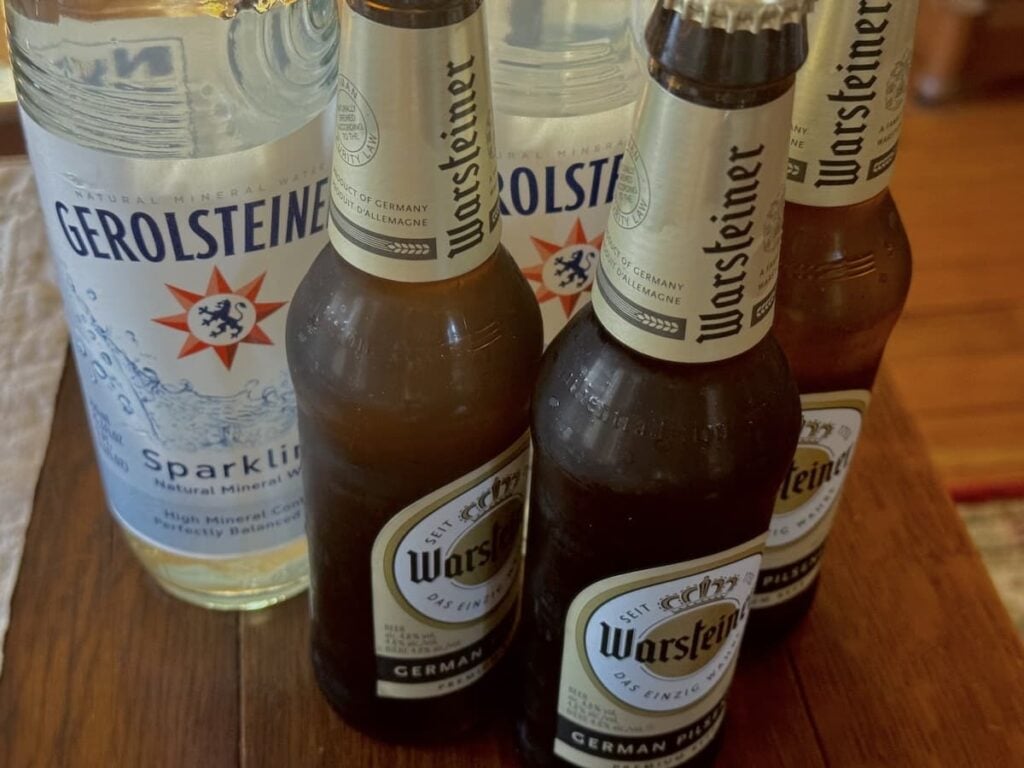
- Sparkling mineral water (a staple in German households)
- Beer (especially in Bavaria)
- Tea for those who prefer something non-alcoholic
Serving & Eating Abendbrot
Abendbrot is essentially about making your own open-faced sandwiches. Everyone builds slices of bread with different toppings: butter + cheese, salami + pickles, egg + salt, or even fish + mustard. The combinations are endless!
Some families prepare slices ahead of time and serve them on a platter, but we prefer the self-serve style where everyone creates their own.
Watch It On YouTube:
Final Thoughts
- Abendbrot is more than just food – it’s a tradition that celebrates simplicity, heritage, and connection. By pulling out bread, cheese, spreads, and a few extras, you can easily bring a taste of Germany into your own home. And whether it’s a simple weeknight meal or a more elaborate spread for guests, this authentic German supper will satisfy both your hearts and your stomachs.
Thanks for bringing back such wonderful memories Anja. Boy do I miss Abendbrot – truly my favorite meal! When I was a little girl in Germany my grandparents did this every day having their Mittagessen at 1pm on the dot and Abendbrot at around 7pm. When I moved to the USA later at age 8 we did the American schedule of meals due to my father’s job and school, but we had the Abendbrot as brunch, lunch or dinner every weekend. There was a grocery/delicatessen in my city that sold imported German and other European style food and we would get bread, cheese, sausages, ham, pickles, etc. from there at least once a month. My mom also baked sourdough rye bread and it was wonderful. By the way, did you ever try sliced radishes on top of Schmalz?
That makes me so happy to hear! Radishes on Schmalz with a sprinkling of salt is so delicious ~ Anja
Boards for sale somewhere?
Yes, you can find similar ones on amazon: https://amzn.to/47R52XB or on Etsy ~ Anja
i noticed your spinning wheel – are you a spinner?
Not yet but it’s on my list of things I want to learn!
I saw your video yesterday and I was inspired. We’re having an Abendbrot for supper tonight! Just an aside…in culinary terms schmaltz is chicken fat or sometimes goose fat. I believe you were serving lard (pork fat) but not tallow (beef fat)
I am so glad to hear that! In German, the word for lard is Schmalz, that is probably what I was referring to (and we were serving lard) ~ Anja
I decided to do this with my family this evening (with some variations)! We sometimes like to do what we call “having a board for dinner”, and it’s basically a giant charcuterie board with whatever bits of food I can gather around. Well, I had just watched your video and had just made a couple of loaves of bread, so I turned it into a type of “Abendbrot”. We had butter, egg salad, cream cheese, sliced truffle cheese, marinated artichokes, lettuce, smoked salmon, and finely chopped green onions (both fresh and fried) as options. Everyone loved picking out their own toppings. Unfortunately, we were sloppy Americans though; my kids are quite young and cutting the bread with knife/fork just wasn’t going to work if we were to keep it fun and stress-free, so we ate it like holding a piece of pizza. Thank you for the article and video! We will have this again for sure.
That sounds amazing! I am happy to hear you enjoyed it (and those kiddos will grow up …). Thank you so much for sharing ~ Anja